Teaching Mug Rug ITH Applique
There’s something instantly charming about a mug rug that doubles as a mini canvas for playful, in‑the‑hoop applique. From the first glance, the Teaching Mug Rug ITH Applique design feels cheerful, classroom‑ready, and wonderfully scrappy in the best way. The mood lands somewhere between a freshly sharpened pencil and a sunny schoolroom window — it’s nostalgic, practical, and just detailed enough to make you smile without making your machine work overtime.
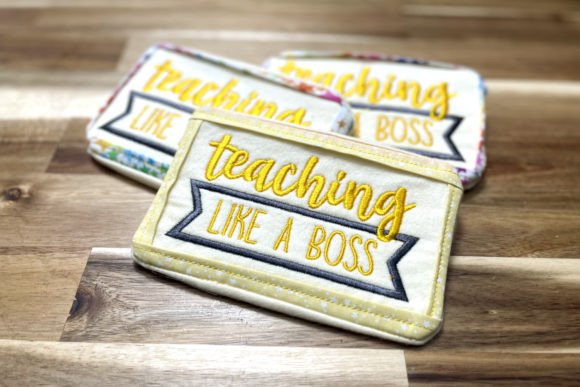
What stands out is the clean framing built right into the file. The decorative trim fabric around the outside border isn’t just a tossed‑on accent; it gives the finished coaster a polished, framed‑print look that immediately lifts the project out of basic beginner territory. You can picture a stack of these nestled beside a coffee station or wrapped up with a ribbon for a teacher’s appreciation gift. The design’s personality is friendly, instructive, and warm — it belongs on a handmade product that feels like a small, useful hug.
The First Time You Watch It Stitch Out
Testing an ith applique like this one always starts with the same quiet anticipation: will those trim edges behave under the satin stitch, and will the central motif settle smoothly without tunneling into the batting? With the Teaching Mug Rug ITH Applique design, the process unrolls in logical steps that an experienced embroidery artist appreciates. You place your backing fabric, hoop the stabilizer, and let the machine draw the placement line for the first fabric piece — usually the base or a series of background blocks.
The decorative outer trim gets built right into the hoop. This isn’t a separate add‑on you wrestle with later; the design carefully angles the trim fabric so the final satin border encases it neatly from the front and the back. That intelligence in layout makes the mug rug look professionally finished, even when you’re sewing with colorful leftover cotton scraps that have been sitting in a bin since last spring. Because the design was created with fabric efficiency in mind, the whole thing genuinely uses bits and pieces you’d otherwise toss — a few inches of gingham, a snippet of linen, maybe a scrap of that apple‑print quilting cotton you saved for no reason. This is a pattern that practically begs you to raid the scrap basket.
As the dense satin stitch outline wraps the edges, the coaster firms up, and you immediately sense how well it will hold its shape after multiple washes. The surface stays smooth, and the multiple fabric zones — often a couple of applique panels plus the trim — read clearly without becoming a jumbled patchwork. For a School‑themed design, that legibility matters: you want the pencil, chalkboard, or apple motifs to be recognizable at a distance, not lost in busy texture.
A Teacher Gift That Actually Makes Sense
Let’s put this design into a real project context. A small shop owner I work with wanted a quick-to-stitch, high-perceived-value item for end‑of‑year teacher gifts — something that looked custom but could be produced in multiples without burning through expensive blanks. She needed a product that fit a modest price point yet felt substantial, not like another keychain or magnet. We pulled out the Teaching Mug Rug ITH Applique design and built a limited edition “Classroom Comfort” duo: one mug rug paired with a coordinating fabric coaster and a small bag of locally roasted coffee.
The reaction was immediate and telling. Customers saw the decorative trim and assumed it was a separate binding technique; they’d run their fingers over the smooth satin edge and ask how it was done. The mug rug felt layered and deliberate, and because each set used different scrap fabrics — one with a chalkboard grey linen center, another with a tiny ruler print — the handcrafted look was unmistakable. She sold out twenty sets in two afternoons.
For any maker preparing a product line for craft fairs, Etsy listings, or boutique shelves, a project like this does quiet but powerful work. It shows customers that you value the small moments — coffee break, end‑of‑day unwind, quiet grading time — and the design’s schoolhouse spirit makes it a natural fit for gifts, staff appreciation bundles, or even a personalized homeschool corner accessory. Because it stitches entirely in the hoop, you’re not hand‑finishing edges, which means consistent quality piece after piece, a critical factor when selling finished products.
Fabric Choices and the Overlooked Magic of Leftovers
The main selling point of this embroidery project is the freedom to use any fabric you like, and that’s not fluffy marketing language — it’s mechanically true. Unlike dense, full‑coverage embroidery files that can pucker thin quilting cotton or sink into a fluffy terry cloth, an in‑the‑hoop mug rug with a structured trim border gives you a lot of forgiveness. The stabilizer does the heavy lifting, so even that adorable vintage‑feels handkerchief linen you’ve been hoarding can become the center panel without distorting during the satin stitch passes.
That said, I found a few fabric‑and‑use notes worth sharing. Dark fabrics for the background can hide the placement stitches; using a white chalk marker or a water‑soluble pen to lightly trace the outline before hooping the backing fabric makes alignment far less guesswork. For the decorative trim, tightly woven cotton or light canvas works best — anything too loosely woven might fray under the dense border stitch, even though the design includes a decent seam allowance. If you use a brushed cotton or flannel for the trim, reduce your machine speed slightly and watch the feed; some soft fabrics want to shift when the satin stitch lands, and a touch more hand‑hooping tension up front saves a misaligned corner later.
What impressed me most was how confidently this design handles oddball fabric combinations. A stripe against a floral scrap with a solid trim shouldn’t look cohesive, but the consistent border acts like a picture frame, uniting everything. For a craft business owner who lists “made from reclaimed fabrics” or “zero‑waste sewing” as a brand value, the Teaching Mug Rug ITH Applique design is a truthful, tangible reflection of that mission.
Where You Need to Pay Attention
No embroidery design is universally foolproof, and there are a few situations where I’d exercise caution — or simply choose a different file. If you’re working with an extra‑small hoop, confirm the design’s finished dimensions before purchase; mug rug designs with decorative trim usually require a minimum hoop size that accommodates the full border plus the turn‑under space, typically something in the 5x7 or 6x10 range. The product listing should clarify this, so double‑check before loading the embroidery file onto your machine.
Stretchy fabrics like jersey or performance knits aren’t the best backing candidates unless you’re willing to use a heavy cutaway stabilizer and accept that the coaster may have a softer, less rigid hand. These mug rugs want to lie flat, so a woven cotton or linen base paired with a midweight tear‑away or a fusible poly mesh stabilizer gives the best results. Thin, flimsy stabilizer will cause the outer edges to ripple after washing; I learned that early on when the first test piece met a coffee spill and went through a hot rinse cycle. The second version, on a substantial stabilizer, came out crisp and clean.
Also, watch the trim corner points. Any squared or angled corner in an ITH project concentrates stitches and can feel stiff or slightly puckered if the fabric isn’t damp‑stretched a bit before the final satin pass. A light mist of water or a gentle steam from the iron before hooping the trim piece can promote a flatter finish. This doesn’t take away from the design’s quality; it’s simply small‑detail awareness that separates a retail‑ready product from a “good enough” craft piece.
Because this design includes small motif elements — perhaps lettering, tiny chalkboard details, or thin linear accents — pay close attention to thread color contrast. On a medium‑toned fabric, a white thread detail might read beautifully; on a light pastel, the same detail might vanish. I always test one panel on a scrap of the intended fabric before committing a full set, adjusting thread color if the design’s visual personality needs a little boost. This is especially important if you’re listing the finished mug rugs online where photographs have to convey texture and crispness quickly.
How It Elevates a Handmade Product Line
From a commercial embroidery perspective, the Teaching Mug Rug ITH Applique design adds genuine product value without inflating costs. The blank materials are minimal: scraps, a piece of batting, stabilizer, and thread. Yet the perceived effort and the hand‑finished appearance of that decorative trim make the coaster feel like a boutique item. Customers pick this up, turn it over, see the clean back and tidy satin border, and trust the maker’s skill immediately. That trust translates into repeat purchases, easier gift sales, and honest five‑star reviews.
For digital product sellers who create printable mockups or embroidery design assets, this type of file photographs exceptionally well. The trim frame gives the entire project a defined shape that catches light on its satin surface; you can style it with a stack of books, a fall candle, or a cinnamon broom, and the imagery instantly communicates “handmade autumn comfort” or “cozy teacher life.” Your listing photos do half the selling with a design that naturally draws the eye around the trim and into the central motif.
And because the design is so scrap‑friendly, it opens a conversation with customers about customization. A maker can offer a “choose your theme” option using different cotton prints — fruits for a kitchen set, nautical stripes for a coastal shop, or schoolhouse classics for teacher collections — without changing the core embroidery file. That versatility keeps a single digital purchase productive for months.
Practical Notes for the Embroidery Designer
Before you batch out a dozen of these for a holiday market or list the finished product on an Etsy storefront, there are a few housekeeping moves that will save you stress. Set aside a dedicated test stitch‑out on a fabric and stabilizer combo similar to your final materials. Check the trim attachment step: does the fabric overlap as expected, or does it need a tiny nudge? Some machines, particularly those with slightly off‑center needle positions, may require a manual nudge if the trim edge catches oddly. That’s not a design flaw; it’s the roaming variables of home embroidery machines. Once you dial in your settings, the results are repeatable.
Open the embroidery file in your software and review the stitch sequence. Confirm where the satin stitch border lands in relation to the applique placement stitches. If you plan to sell finished products, verify the commercial license terms with the design creator — most small‑designer files allow limited commercial use, but it’s always wise to check before attaching that price tag. For digital product resellers, ensure your license covers derivative physical products if you’re selling the finished mug rug, not the design itself.
Thread color choices for the border are deceptively important. A contrasting satin border — say, a warm cream around a navy chalkboard center — frames the design and gives it a crisp, store‑bought look. A matching border blends the trim into the background, which works for a tone‑on‑tone artisan feel but can hide the lovely framework the design creator built. I tend to err slightly darker or lighter than the trim fabric so the edge remains crisp and defined, especially in product photos.
Stitch density around the trim feels balanced in this design; there isn’t excessive needle penetration that would cause the fabric to buckle, and the running stitch underlay holds things steady. If you find the final border slightly wavy, consider doubling the stabilizer or switching to a stiffer version. A mug rug needs to sit flat more than it needs to drape, so don’t be shy about supporting the fabric structure.
Finally, think beyond the coaster itself. I’ve seen makers sew a tiny hanging loop into the trim seam during the final steps, turning the mug rug into a decorative mini wall hanging — perfect for a classroom door or a reading nook. Another sewist added a fusible vinyl coating after stitching to make the coaster spill‑proof, which extended its life around messy morning coffee rituals. The design’s simple central motif and solid border make it adaptable without complicated editing.
Whether you’re building a small batch of handmade teacher goodies, refreshing your craft fair inventory with a quick‑selling $12 item, or simply sewing a useful little gift that uses up every last beautiful fabric crumb, the Teaching Mug Rug ITH Applique design earns its keep. It respects your materials, stitches out with minimal drama, and delivers a finished item that looks far more involved than it actually was — exactly what a smart embroidery project should do.