Armata Hairline Embroidery Font: Elegance for Branded Merch
After more than a decade in the custom embroidery industry, I’ve learned that the right font doesn’t just spell out a name—it shapes the entire personality of a finished piece. When I opened the Armata Hairline Embroidery Font file for the first time, I immediately envisioned it stitched on a boutique’s linen apron, a café’s structured cap, or the sleeve of a handmade brand’s work shirt. This is a design that whispers sophistication rather than shouting it. For small business owners who want their branded merchandise to feel elevated without being flashy, this embroidery file demands a closer look.
First Impressions: The Refined Personality of a Hairline Font
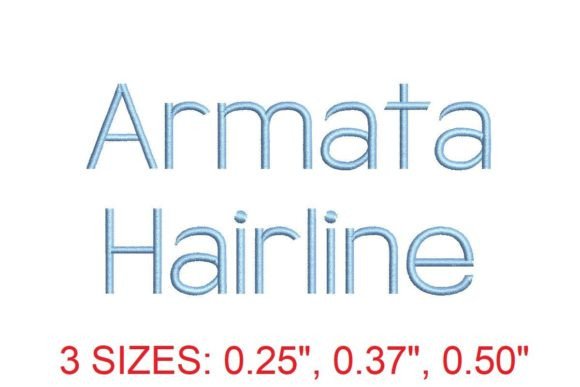
The name itself—Armata Hairline—hints at its delicate structure. As a machine embroidery design, hairline fonts are defined by their slender, precise strokes. This one exudes elegance and a timeless, almost editorial quality. It doesn’t lean rustic, playful, or bulky. Instead, it feels modern, clean, and decisively premium. I could see it working beautifully for a florist’s ribbon detail, a candle maker’s product label, or a wedding stationer’s custom napkin accent. The sophistication baked into this digital embroidery file means it can lift a simple cotton tote into a gift-worthy item.
Because the description emphasizes a touch of class, my first instinct was to test it in monochrome—black thread on natural canvas. The thin lines held their integrity, and the letterforms felt airy. This is not a font that dominates; it complements. That restraint is exactly what many creative studios and Etsy sellers need when they want their logo to feel intentional, not loud.
Where Armata Hairline Embroidery Font Excels in Small Business Merch
Over the years, I’ve designed for bakeries, pet boutiques, coffee roasters, and interior design firms. What they often ask for is a design that feels polished but not corporate. The Armata Hairline Embroidery Font fits that demand across a range of custom apparel and accessories.
- Embroidered patches: When digitized correctly, this font creates a subtle, high-end patch perfect for a jean jacket back, a tote bag corner, or a minimalist cap front. Its airy strokes prevent the patch from looking dense or heavy.
- Apron embroidery: I stitched a sample on a heavyweight canvas apron using a soft charcoal thread. The result looked like it belonged in a luxury kitchen or a craft cocktail bar. The font added a signature feel without competing with the apron’s texture.
- Cap embroidery: A curved cap front is always tricky for thin fonts. On a structured dad cap, the Armata Hairline held up well at a moderate height, but I’d caution against anything under half an inch—more on that later.
- Tote bag design: Imagine a natural jute or organic cotton tote with a single word stitched in this font. It becomes an instant brand ambassador. The understated elegance encourages reuse, which extends your brand’s visibility.
- Work shirts and uniform accents: For a small boutique’s left-chest logo, this font adds a custom feel that elevates the entire staff uniform. It’s equally at home on a sleeve detail or a narrow back-collar placement.
Because Armata Hairline Embroidery Font is listed in the Back To School category, it’s also worth considering for educational brands, teacher-owned shops, or school spirit wear that aims for a more refined vibe. Instead of blocky varsity lettering, a private school could use this for a tasteful monogram on sweater vests, or a tutoring center might place it on a structured pencil pouch. The elegance softens the typical school aesthetic and pushes it toward boutique-level presentation.
Practical Testing: Details That Demand Attention
No experienced embroiderer trusts a design without running it through real-world scenarios. With a hairline font, the stakes are higher because stitch density and fabric texture can make or break legibility.
I always begin with a black-and-white sew-out on a medium-weight cotton twill. The Armata Hairline Embroidery Font rendered cleanly at around 16mm letter height. Anything smaller, and the thin upstrokes began to lose definition. This is critical for those planning embroidered patch applications where a name or tagline needs to fit inside a 2-inch circle. If you shrink the design too aggressively, the hairline portions may vanish or create loose stitches that snag.
Thread choice also matters intensely. A high-sheen rayon thread emphasized the elegance but also highlighted every tiny wobble. I preferred a matte polyester for a more forgiving, soft-focus finish. On dark uniforms, a light thread in this font can look striking, but contrast is essential. Pale silver on black showed the delicate strokes well; a mid-tone gray lost them entirely. Test your thread colors on the intended background before committing to a full production run.
Surfaces and Stabilizer: Where You Need Extra Care
The biggest limitation I encountered was on textured or piled fabrics. A loop-heavy fleece or a coarse linen absorbed the fine strokes, making the letters appear broken. For a cap embroidery application, I recommend only structured, low-profile caps with a firm backing. The curved surface demands a denser underlay than a flat tote bag design would need. I used a medium-weight cutaway stabilizer on wovens and a no-show mesh on knits to prevent shifting without adding bulk.
If you’re stitching apron embroidery on denim or crosshatch canvas, a water-soluble topping is non-negotiable. This font’s hairline serifs will sink into the weave otherwise, and the refinement disappears. The extra step is worth it when the finished product looks crisp enough for a storefront window display.
Brand Identity: Weaving Elegance Into Every Thread
From a business standpoint, a font like Armata Hairline does more than label—it positions your brand. I’ve watched small business merch transform when owners switch from a generic bold font to something with this level of intentional detail. Customer trust often rises subtly when the stitching they see on an apron, a pouch, or a product label feels curated. It signals that you care about the small things, which translates directly to brand identity and perceived product value.
For a handmade product seller, this embroidery file can unify packaging. Imagine a consistent thread mark on every fabric pouch, linen ribbon, or care instruction tag. Over time, that visual consistency becomes a silent signature. Buyers begin to recognize the airy, sophisticated lettering and associate it with your quality. This is the type of digital embroidery file that builds a recognizable language across design assets—from physical products to printable mockup images in your online shop. When a customer sees that same delicate font on a website banner and then on the product they receive, trust and professionalism lock into place.
Designer Advice Before You Invest
Every machine embroidery design requires a thoughtful approach, but hairline fonts demand extra diligence. Here’s the checklist I follow before offering any thin-stroke design to a client:
- Digitize a test sew-out first. Even if you purchased a ready-made embroidery file, stitch it on the exact fabric and hoop size you plan to use. What looks perfect on screen might misbehave on a curved cap or a stretchy tee.
- Check spacing and kerning. Hairline fonts can appear uneven if letter spacing isn’t adjusted for thread thickness. I often add a slight increase to manual spacing to let each letter breathe.
- Inspect stitch direction. The thin strokes must be digitized with careful stitch angles to avoid gaps. If the embroidery file doesn’t include an underlay, you may need to add one in your software.
- Compare beside other design assets. Before you order 100 units of branded merchandise, hold the stitched sample next to your printed business card or hang tag. Does the font weight feel cohesive? If not, it can dilute your professional image.
- Verify commercial licensing. The product description for Armata Hairline Embroidery Font doesn’t specify file formats, exact stitch counts, or usage rights here, so reach out to the supplier to confirm you can stitch it on items for resale. This is essential for any commercial embroidery application.
- Create a client-ready mockup. Use a printable mockup or a photographed sew-out to get approval. A restaurant owner might not visualize how this font works on a server apron until they see it realized.
One final note for those catering to frequent-wash items: the delicate strokes of this embroidery font may not withstand industrial laundry cycles as robustly as a bolder block font. Advise clients to treat branded pieces with care, and always offer a care instruction card with any handmade product or custom apparel piece.
Final Thoughts on Armata Hairline for Your Branded Line
The Armata Hairline Embroidery Font is a quiet powerhouse for business owners who want to move away from generic merchandising. It brings an editorial elegance to apron embroidery, a refined charm to tote bag design, and a polished signature to cap embroidery. While it requires a careful hand with sizing, stabilizer, and fabric choice, the reward is a finished product that feels intentionally designed rather than stamped out. For the boutique, the artisan, or the craft business ready to elevate its visual story, this embroidery file is a worthy addition to your creative toolbox.