Cuaderno Embroidery Font: A Designer’s Personalization Review
First Impressions: Mood and Charm of Cuaderno
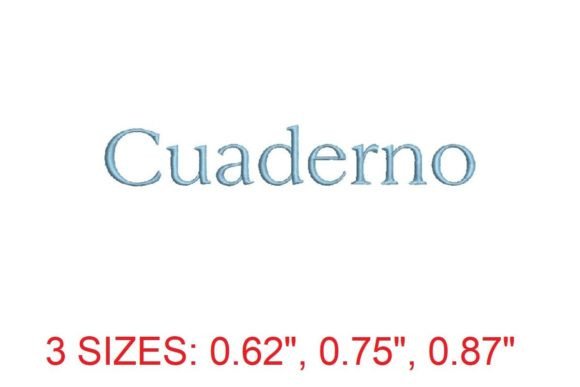
When I first loaded the Cuaderno Embroidery Font into my machine embroidery design software, I felt an immediate sense of warmth and understated elegance. The letterforms have a gentle, handwritten rhythm that avoids looking too formal or too playful – it’s a perfect middle ground. The font carries a soft, approachable sophistication that reminds me of personal notes written with a fine pen on textured paper. It’s not overly flourished or rigid; instead, it feels thoughtful and intentionally imperfect in a way that screams handmade product care.
For a gift shop owner, this mood matters more than you might think. A font can set the entire emotional tone of a personalized gift. Cuaderno hits a sweet spot: it’s romantic enough for a wedding gift, innocent enough for baby embroidery, and classic enough for everyday home linen. You don’t need to switch fonts between a bridal pillow cover and a child’s tote bag; this one gracefully stretches across both. I’d call it endearingly elegant, with a modern-yet-timeless feel that makes a finished product look like something bought from a high-end boutique, not a discount aisle.
Where Cuaderno Font Shines for Personalized Gifts
After running several test stitches, I started mentally slotting the Cuaderno Embroidery Font into my own product line. Here’s exactly where I believe it will perform beautifully and attract the right customers.
Baby and Nursery Projects
Soft muslin blankets, tiny terry bibs, and cotton nursery wall hangings all become keepsakes with this font. The letters stitch out with a delicate presence that doesn’t overwhelm small items. A single name embroidered in pale pink or sage green thread feels tender and pure – exactly what new parents look for. I can see this as a signature font for a baby embroidery collection, whether you’re creating hospital door hangers or a plush security blanket with the child’s name. The curves feel wide and friendly, which suits a child’s room perfectly.
Wedding and Romantic Keepsakes
Bridal party robes, ring bearer pillows, and newlywed kitchen towels all demand a font that whispers “love” without shouting. Cuaderno delivers. Stitch a couple’s initials on a linen pillow cover, and it becomes an heirloom-quality wedding gift. The letter connections stay smooth, so even on a silky fabric you get a clean, smudge-free result. I recommend using soft metallic or ivory thread on pastel or natural linen for maximum romance. The font’s subtle sophistication makes the finished product look far more expensive than the embroidery file cost, which is a win for any small shop product.
Everyday Personalized Home Goods
Kitchen aprons, hand towels, and tote bags are the bread and butter of personalized gift shops. Here, Cuaderno adds just enough style to make a simple cotton apron feel like a curated gift. I tested it on a waffle-weave kitchen towel – the text was readable and charming, even in a smaller hoop size. For an embroidered towel destined to hang in a guest bathroom, the font brings a boutique hotel vibe. Pillow covers with short quotes or family names look cohesive, and the stitching doesn’t pucker when you use the right stabilizer.
Back-to-School and Student Gifts
Although the category “Back To School” might evoke playful blocky letters, there’s a quiet niche for the sophisticated student. A laptop sleeve, a canvas pencil pouch, or a book tote monogrammed with Cuaderno feels like a mature, thoughtful gift for a college student or a teacher’s appreciation present. Even a simple bookmark stitched on linen with a child’s name becomes a reading companion. The font’s refined personality elevates what could be a standard school supply into a cherished personal item. It brings a “grown-up” softness to the season.
Etsy Listings and Craft Fair Products
From a seller’s viewpoint, the Cuaderno font photographs beautifully. Its clean, open shapes catch light in all the right ways. When you upload a printable mockup or a real finished product photo to your shop, the font reads clearly in thumbnails. This boosts buyer engagement because shoppers can instantly imagine the item with their own name or date. At a craft fair, a blanket embroidery or tote bag sample featuring Cuaderno invites people to touch and ask for custom orders. It’s an easy upsell because the lettering looks professional and intentional.
When to Stitch with Extra Caution
No font is universal, and smart designers always match the project to the material. Here are the scenarios where I’d use Cuaderno carefully – or recommend a simpler alternative.
- Very small lettering: If a customer wants a name under one inch tall, the delicate details might close up. Test at your intended size first. The elegant loops need breathing room.
- High-texture fabrics: Thick terry towels or chunky knits can catch the finer strokes. Use a topper to hold the stitches above the pile, and always check fabric texture before committing to a full run.
- Stretchy baby clothes: On a onesie, the inherent stretch may distort the letters if not hooped with extreme care. Use a no-show mesh stabilizer and baste the fabric; better yet, stitch onto a patch and sew it on.
- Curved or uneven surfaces: A water bottle sleeve or a baseball cap demands significant re-centering. The cursive connections can shift on a curve, so test on a similar curve before accepting a custom order.
- Dark fabrics with light thread: The font’s elegant thin upstrokes may show every tiny gap. Choose thread colors that offer high contrast but are forgiving, and check mockups on both light and dark grounds.
- Frequent washing needs: For items like kitchen towels that face harsh laundering, verify the stitch density is tight enough to survive. A dense underlay helps, but the delicate look should be balanced against durability.
How Cuaderno Lifts Gift Value and Buyer Trust
Personalization already adds perceived worth, but the right font massively multiplies that effect. Cuaderno’s hand-lettered charisma makes a $15 tote feel like a $45 boutique purchase. Customers see the care in each connected letter and naturally trust that your custom embroidery is high quality. For Etsy sellers, this trust translates into reviews and repeat buyers. When a mother receives a baby blanket with a name embroidered in this font, the emotional connection is immediate – it feels like a genuine handmade product, not a machine-churned commodity.
The font also impacts product photography dramatically. Clean, elegant lettering looks crisp on a flat lay, and buyers can zoom in without disappointment. If you offer a digital mockup or a printable mockup during the sale process, Cuaderno renders cleanly on screen, making it easy for customers to approve the design. This speeds up order confirmation and reduces back-and-forth. Ultimately, the font becomes part of your brand’s visual signature, reinforcing a message of sophistication and care.
Practical Stitching Tests Before Your First Order
Every new embroidery file deserves a thorough test run, and Cuaderno is no exception. Here’s the checklist I follow before offering any personalized product to a paying customer.
- Run a sample on similar scrap fabric: Don’t stitch directly onto the final product first. Use a cotton scrap with the same weave and weight to observe how the letters form and whether any thread breaks occur.
- Play with thread colors and contrast: Test a few thread colors against both light and dark backgrounds. What looks airy on cream may vanish on beige. A slightly bolder shade can anchor the design without making it heavy.
- Confirm your hoop size works: Measure the digitized area of the Cuaderno font in your software. Ensure it fits comfortably within your smallest hoop option. Leave at least half an inch around the design for safe hooping.
- Review stitch density and underlay: Open the embroidery file and check for sufficient underlay stitching. The delicate loops benefit from a light edge-run underlay to keep them from sinking into the fabric texture. If you can’t find this detail in the product description, reach out to the seller for clarification before stitching on final materials.
- Use the right stabilizer: For most projects, a medium-weight cut-away stabilizer works well. On fine linen or a pillow cover, add a water-soluble topper to keep the letters crisp. On stretchy items, a sticky stabilizer and careful hooping are non-negotiable.
- Stitch a full name, not just a letter: Two-letter initials may flow perfectly, but a longer name shows how the connections behave across multiple characters. Test a typical customer request length to catch any odd spacing issues early.
- Check small details after stitching: Examine the loops and tails under a bright light. If any thin parts misbehave, adjust your machine’s tension or slow down the speed. A slightly reduced speed often salvages the most delicate strokes.
- Verify commercial licensing: Before selling any finished product with Cuaderno Embroidery Font, read the license terms that came with your digital embroidery file. Some designers allow unlimited commercial use on physical items; others require a separate small business add-on. Don’t assume – confirm. If the terms aren’t clear, send a quick message to the digitizer.
Final Thoughts: Is Cuaderno Right for Your Shop?
After walking through multiple product scenarios and running actual stitch-outs, I can confidently say the Cuaderno Embroidery Font earns a permanent spot in my personalized gift toolkit. It brings a quiet, polished voice to baby items, wedding decor, home textiles, and even thoughtful back-to-school pieces. It’s the kind of font that makes a simple blanket embroidery feel like a wrapped hug, and a monogrammed kitchen towel look like a mini portrait of someone’s taste.
If your customer base includes gift shoppers who value emotion over flash, or if you sell at markets where the “handmade” story matters just as much as the product itself, Cuaderno will serve you beautifully. Just remember to honor its limits: keep the sizing reasonable, stabilize properly, and always test on your genuine materials. Doing so ensures every finished product lives up to the promise the font makes – one of effortless, heartfelt personalization.