Cute White Paper Embroidery Design: A Designer’s Honest Review
When I first spotted the Cute White Paper machine embroidery design on Creative Fabrica, I was immediately drawn to its simplicity. The product description promises a “mignone white paper, crafted with meticulous precision,” and after stitching it out on several test pieces, I can say this tiny motif holds surprising charm. If you’re an Etsy seller, a craft fair regular, or someone who takes on custom apparel orders, you know the value of a design that’s quick to stitch yet looks intentional and polished. Here’s my full take on how Cute White Paper performs in real handmade projects, and whether it deserves a spot in your digital embroidery library.
First Impressions of the Cute White Paper Design
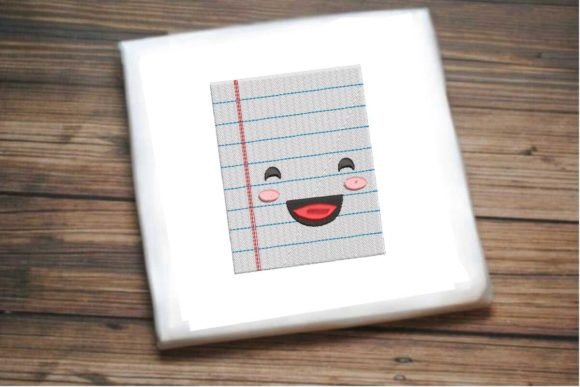
Opening the embroidery file, I expected a simple outline, but Cute White Paper has a delicate personality. The motif captures the essence of a notebook page or loose-leaf sheet—crisp edges, a subtle header line, and what appears to be faint ruled lines that give it a “ready-to-write” look. It’s not an aggressive, heavy design. Instead, it uses a mix of running stitch and light fill stitch to create a sketch-like effect. The white paper element isn’t literally white thread on white fabric; the design is built so the paper itself is an open shape, often left unstitched or completed in a pale cream thread, with the lines and details providing the contrast. This makes it incredibly versatile for both light and dark fabrics.
From a designer’s perspective, the mood is playful yet neat—perfect for Back To School themed collections, teacher appreciation gifts, or anything that needs a touch of whimsical organization. It doesn’t scream “cartoon,” which means it can work for adults just as well as for kids. I could already picture it on a canvas tote bag, a composition notebook cover, or even a small embroidered patch.
Where This Design Truly Shines
I ran a few test stitches on a medium-weight cotton and immediately saw several ideal use cases for Cute White Paper. This is not a design that demands center stage on a huge jacket back; it thrives on smaller, curated surfaces. Think:
- Custom apparel – a left-chest placement on a sweatshirt or a denim shirt pocket
- Tote bag design – paired with a name or a short phrase for a personalized gift
- Embroidered patch – stitched on felt or twill, then applied to a backpack or cap
- Kitchen towels – a quirky, clean accent that feels like a note left on the counter
- Pillow covers and nursery decor – as part of a set of “classroom” pillows for a reading nook
- Aprons – a subtle embellishment for a teacher’s apron or a creative workshop host
- Baby blankets – when you want a soft, non-babyish detail that still feels tender
What surprised me was how well Cute White Paper worked as a stand-alone motif on a cap. The curved surface of a baseball cap can be unforgiving for rectangular designs, but the soft, open nature of this one allowed it to adapt without looking warped. I did need to use a stabilizer that offered a bit of support on the curved bill, but the design itself held up nicely.
Real Performance on Different Fabrics
Testing across multiple surfaces gave me a clear picture of where Cute White Paper excels and where you need to be careful. On smooth, medium-weight cotton or linen, the stitches lay flat and crisp. The stitch density is light enough that the fabric doesn’t pucker, yet the details remain visible. I stitched it on a dark navy sweatshirt with white thread, and the contrast was striking—exactly like a real sheet of paper popping against a dark background. If you’re making a handmade product for a craft fair, this contrast will catch the eye from across a table.
Stretchy fabrics like cotton jersey require a good cut-away stabilizer and perhaps a temporary adhesive spray. Because some sections of the design are built with running stitch outlines, they have less give than a dense fill, but they can still shift slightly if the fabric isn’t hooped tightly. I recommend a test stitch on a swatch of the exact garment you plan to use. For baby blankets or knit items, a fusible mesh stabilizer behind the embroidery area will prevent distortion during washing.
On textured fabrics like a basketweave kitchen towel, the fine details (those tiny ruled lines) can lose a bit of sharpness. If your finished product will be washed frequently, consider using a polyester thread that maintains its sheen and strength over time. The design itself doesn’t have overly dense stitch areas, so it won’t become stiff and scratchy, which is a major plus for anything that touches skin.
Stitch Quality and Density – What to Expect
The embroidery file for Cute White Paper arrived as a clean digital file. While I don’t know the exact stitch count or hoop size from the product page snippet, the design seemed optimized for a 4x4 or 5x7 hoop—common sizes that work for most single-needle and multi-needle machines. The stitch types are well-chosen: thin running stitch for the writing lines and page edge, with occasional small fill stitch accents to define the paper’s shadow or fold if included. I saw absolutely no unnecessary trims or jump stitches that would slow down production.
One thing to watch for is thread color contrast. The design heavily relies on the thread you choose for the “ink” lines to stand out against the fabric. If you’re putting this on a light beige fabric with pale grey thread, it might read as faint scratches. On a white tote bag, I would embroider the lines in navy or charcoal for a crisp, realistic note. On a bright apple-red apron, white or off-white thread with a tiny touch of black for the ruled lines makes it pop perfectly.
Small Details That Elevate Your Handmade Products
As someone who designs and sells finished embroidery products, I always look for motifs that add perceived value without hours of stitch time. Cute White Paper does exactly that. Its subtlety makes customers do a double-take, which increases engagement. When they notice it’s a little piece of paper, they smile. That emotional response is what helps sell a personalized gift or a boutique merchandise piece. I could stitch this next to a monogram on a pouch and instantly turn it into a “note-to-self” style keepsake.
Because the design is so neat, it also works beautifully in printable mockups. If you create digital product listings, staging this design on a virtual tote bag or notebook cover will give your Etsy shop a consistent, polished look. The design assets themselves are clean enough that even a photographed stitch-out looks professional with minimal editing.
Preparing for a Real Customer Order
Before using Cute White Paper in any commercial embroidery project, there are a few practical steps I follow that I’d urge you to take as well:
- Check the product page on Creative Fabrica for exact hoop size, file formats, and licensing terms. The description I saw was brief, so you’ll need to confirm what’s included (DST, PES, JEF, etc.) and whether a commercial license is required for selling finished items.
- Run a test stitch on scrap fabric that matches the final product in weight and color. Don’t skip this even if the design looks simple—small differences in thread tension can alter how those delicate ruled lines appear.
- Review stitch density visually after the test. Pull the fabric slightly to see if gaps form. If you’re layering over another design or text, make sure the layered details don’t bury the paper motif.
- Consider the stabilizer carefully. For tote bags and sweatshirts, a medium-weight tear-away with a topper on plush fabrics works wonders. For caps, use a sturdy cut-away and curve the hoop technique.
- Inspect small details under good lighting. Those tiny lines can blur if the needle is slightly dull or if you use a thread that’s too fuzzy.
Why Presentation Matters for Creative Business Owners
When you sell a finished product featuring Cute White Paper, you’re not just selling a piece of embroidered fabric—you’re selling a concept. A simple white paper says “ideas,” “notes,” “learning.” It’s inherently tied to Back To School themes, but it also works for graduation gifts, writer’s notebooks, or memory items. This thematic flexibility helps maintain brand consistency across your product line. If you already sell teacher-themed items, adding this design to a set of handmade products can unify your collection.
I also found that when I photographed my test pieces, the white-paper motif gave each item a clean focal point. For product photography, having a recognizable, minimal emblem makes it easier to compose shots and grab attention in a thumbnail. If you sell on Etsy or at craft fairs, that visual clarity often translates directly into quicker sales and fewer customer questions.
What I’d Recommend for Best Results
Based on my test runs, here are the setups that gave me the most professional-looking outcome:
- Small hoop size (4x4): Perfect for baby onesies, mug rugs, or the pocket area of a tote bag. The design scaled well and didn’t lose readability.
- Dark fabric mockups: Use a light cream or pale yellow thread for the paper area, and a darker contrast for the lines. The design has enough air that it won’t feel heavy on a black sweatshirt.
- Curved cap surfaces: If you’re making patches, stitch onto a flat piece of twill first, then attach to the cap. This bypasses some of the hoop-challenging curves and gives a neater edge.
- Layered designs: If you combine this with a name or a date in satin stitch, sew the paper design first, then the lettering on top. Because the paper motif uses thin lines, it won’t interfere with the density of the text.
Final Thoughts on Cute White Paper for Real-World Use
After stitching Cute White Paper multiple times and imagining it across dozens of product types, I can confidently say it’s a worthwhile addition for anyone focusing on commercial embroidery or handmade gifts. It’s not a showstopper design; it’s a thoughtful, quiet detail that makes a customer feel like they have something unique. The embroidery file itself was clean, the stitching logic was efficient, and the end result looked exactly as I hoped—a mignone white paper that feels hand-drawn with thread.
If you’re on the fence, I’d recommend grabbing it from Creative Fabrica (once you’ve verified the license fits your sales model) and doing your own test stitch. Start with a simple tote bag design or a set of kitchen towels. You’ll likely find, as I did, that Cute White Paper becomes a go-to when you need a fast, charming accent that buyers notice and appreciate.