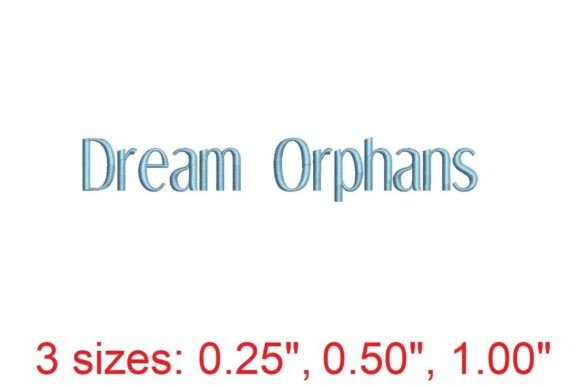
Dream Orphans Bean Stitch Outline Font Review
I have tested hundreds of embroidery fonts over the years from the perspective of a working designer who sells personalized gifts, and few stop me mid-stitch-out quite like Dream Orphans Bean Stitch Outline Font. There is something undeniably charming about the way it renders on fabric, as if each letter was drawn by hand with a fine marker, then traced again with a slightly imperfect, organic line. The bean stitch outline gives it texture and soul, and after running it through several test pieces on different substrates, I can confidently say this one earns a permanent spot in my commercial embroidery font library.
First Impressions and Emotional Appeal
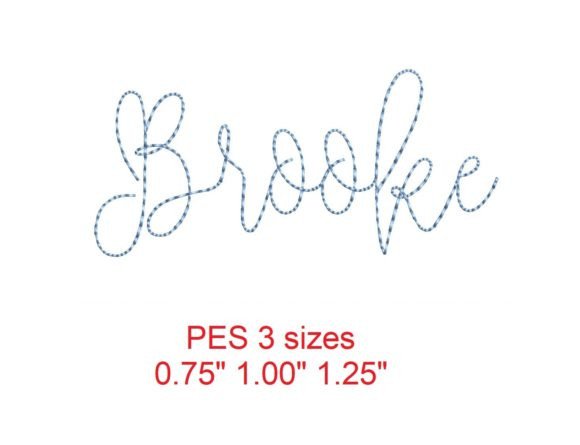
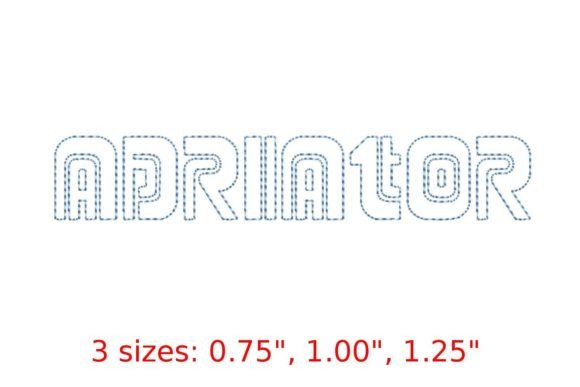
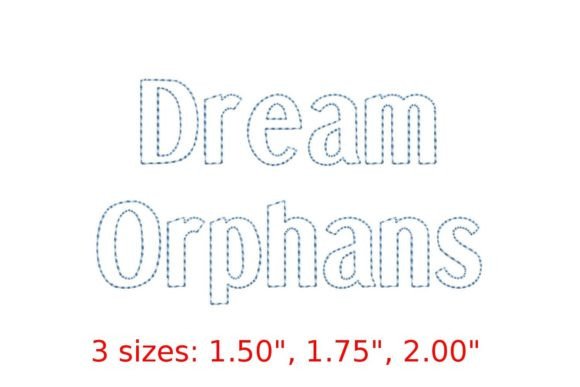
The moment I opened the embroidery file and previewed the stitch simulation, I knew Dream Orphans had a specific personality. It does not feel overly polished or rigid. Instead, it carries a sweet, handmade quality that reminds me of handwritten recipe cards, vintage nursery rhyme books, and the kind of lettering you would find on a cherished family heirloom. The bean stitch construction creates a dashed, sketch-like outline rather than a solid fill, which gives it warmth and approachability. This is not a font that screams for attention. It whispers, and that whisper is exactly what certain gift products need to feel intimate and personal.
For gift shop owners and Etsy sellers, the emotional appeal of a font cannot be overstated. When a customer is ordering a personalized baby blanket or a wedding keepsake, they are not just buying thread on fabric. They are buying sentiment. The outline nature of Dream Orphans Bean Stitch Outline Font taps directly into that emotional connection, making even a simple name or date feel like a deliberate, thoughtful design choice rather than an afterthought.
Where This Font Shines Brightest
After stitching several test samples, I started mentally slotting this design into my actual product lineup. The first category that jumped out was baby embroidery. A newborn's name stitched in Dream Orphans on a muslin swaddle blanket or a soft cotton pillow cover looks absolutely precious. The lightweight, airy outline does not overpower delicate fabrics, and the bean stitch texture adds just enough visual interest without creating a heavy, stiff patch that might irritate sensitive skin.
Wedding gifts were the next obvious fit. I tested the font on a linen table runner with a couple's names and their wedding date, and the result felt like something you would find in a high-end boutique. The outline style allowed the natural fabric texture to show through the lettering, which elevated the entire finished product. For handmade sellers who specialize in bridal party gifts, embroidered robes, or ring bearer pillows, this font offers a romantic, timeless aesthetic that photographs beautifully.
Kitchen towels and aprons also responded well in my tests. A simple monogram or a short phrase like "made with love" stitched in Dream Orphans on a flour sack towel creates a personalized gift that feels both rustic and refined. The font works equally well for tote bags, canvas pouches, and even lightweight denim jackets. I can easily picture it used on craft fair products where customers are drawn to items that feel bespoke and one-of-a-kind.
Back to School and Seasonal Possibilities
While the font naturally leans toward baby and wedding niches, I also found strong potential for Back To School products. A child's name on a pencil pouch, a lunch tote, or a book bag cover gains a playful yet elegant feel with this design. It strikes a balance between youthful and sophisticated, which means it appeals to parents who want something cuter than a standard block font but more polished than a cartoonish script. For Etsy sellers preparing seasonal listings, this font could anchor an entire collection of personalized school essentials.
Practical Performance on Different Fabrics
No font review is complete without discussing fabric behavior, and Dream Orphans taught me a few important lessons during testing. On smooth, medium-weight cotton, the stitch-out was nearly flawless. The bean stitch outline registered cleanly, and the letterforms held their shape without distortion. On linen and linen-blend fabrics, the texture interplay was stunning. The slight irregularity of the bean stitch echoed the natural slubs in the linen, creating a cohesive, organic look.
However, I want to share some cautionary notes for fellow embroidery professionals. On thick terry cloth towels, the outline detail can get lost if the fabric nap is too high. I recommend using a water-soluble topper to keep the stitches from sinking into the pile. On stretchy baby clothes and knit fabrics, a sturdy cutaway stabilizer is essential. Without proper support, the delicate outline can shift during stitching, resulting in misaligned letterforms that ruin the handmade quality you are aiming for.
Dark fabrics present another consideration. Because Dream Orphans is an outline font, there is no solid fill to create bold contrast against a black or navy background. I found that using a slightly thicker thread, such as a 40-weight polyester, helped the lettering stand out. Metallic threads also performed surprisingly well and added a celebratory touch suitable for wedding gifts and holiday keepsakes.
Stitch Quality, Density, and Size Flexibility
The product description highlights that Dream Orphans is available in three different sizes and is compatible with Brother Babylock and the majority of embroidery machines. In practice, this size range proved incredibly useful during my test runs. The smallest size worked beautifully for subtle monograms on baby headbands and small gift tags, while the largest size made a statement on pillow covers and tote bags. I appreciated being able to scale my projects without losing the integrity of the bean stitch effect.
Stitch density felt well-balanced across all three sizes. The outline is defined enough to read clearly from a distance, yet light enough to avoid the dreaded bulletproof feel that plagues some poorly digitized fonts. After multiple wash cycles on a test blanket, the stitches held up without fraying or significant fading. For sellers who build their reputation on durable handmade product quality, this durability is a major selling point.
You will want to confirm the exact hoop size requirements for each of the three size options before committing to a customer order. While the font integrates effortlessly with most machines, larger designs will naturally demand a bigger embroidery area. I always recommend doing a full test stitch-out at the intended size before offering a new design in your shop.
Thread Color Choices and Product Photography
One of the unexpected joys of working with an outline font is how dramatically thread color changes the personality of the finished piece. Soft pastels, like blush pink, sage green, and butter yellow, amplified the sweet, innocent charm perfect for nursery decor and baby shower gifts. Rich jewel tones, such as burgundy, forest green, and navy, transformed the same font into something elegant and formal, ideal for wedding keepsakes and anniversary presents.
For product photography, Dream Orphans is a dream to photograph. The outline style catches light differently than solid fills, creating subtle shadow play that adds depth to flat lay images. When I shot my test pieces for mockup listings, the embroidered names appeared crisp and dimensional without requiring excessive editing. For Etsy sellers who rely on strong visual listings, this font can elevate your product photos and help listings stand out in a crowded search feed.
Giftability and Perceived Customer Value
In the personalized gift market, perceived value hinges on details. A standard block font can make an embroidered towel feel generic, like something mass-produced in a factory. Dream Orphans Bean Stitch Outline Font changes that perception entirely. The hand-drawn quality signals care and craftsmanship, which translates directly into higher customer trust and willingness to pay premium prices.
When a customer receives a pillow cover or an embroidered towel with their loved one's name rendered in this font, they immediately recognize it as something special. The emotional connection deepens because the lettering itself feels personal, as if someone took the time to sketch it out just for them. That emotional response is what turns a one-time buyer into a repeat customer who returns for anniversary gifts, new baby presents, and holiday surprises.
Careful Application and Design Considerations
Experienced embroiderers know that not every beautiful font belongs on every product. With Dream Orphans, I would exercise caution on extremely small lettering below the smallest provided size. The bean stitch detail needs room to breathe, and cramping it into a tiny space can result in a muddled, unreadable outcome. Curved surfaces, such as the brim of a baseball cap or the edge of a stuffed animal, also pose challenges because the outline can appear warped if not hooped with precision.
I also advise against using this font on fabrics with heavy texture, such as thick fleece or chunky knit sweaters, unless you are prepared to do significant testing. The outline can get lost in the fabric pile, undermining the clarity that makes the design effective. For products that need frequent vigorous washing, like kitchen towels in a busy household, I recommend a poly thread for added strength and a quality cutaway stabilizer to maintain shape over time.
Testing Workflow and Shop Integration
Before adding Dream Orphans to my official product catalog, I followed a testing workflow that I encourage every shop owner to replicate. First, I stitched samples on scrap fabric in both light and dark tones to evaluate contrast. Next, I ran the design through a wash and dry cycle to confirm durability. I also created side-by-side mockups comparing different thread colors so I could offer customers a clear printable mockup during the order preview stage.
The digital embroidery file loaded without issues into my software, and the stitch-out was consistent across multiple runs. I did not experience thread breaks or registration problems, which speaks to clean digitizing. That said, always check the specific file format your machine requires before purchasing. The product states compatibility with Brother Babylock and most embroidery machines, but confirming your machine's accepted formats prevents frustration later.
Commercial Use and Small Shop Growth
For small shop product creators and digital product sellers, font licensing is a critical concern. Before offering finished items for sale, verify the commercial embroidery terms associated with Dream Orphans. Most font designers allow the sale of physical embroidered products created with their designs, but it is always wise to read the specific license agreement. If you plan to sell digital mockups or embroidery file bundles that include the font itself, additional permissions may be required.
I see strong potential for this font to anchor entire product collections. A coordinated baby shower set with matching blanket, bib, and burp cloth, all personalized with Dream Orphans, would photograph cohesively and command a higher bundle price. Wedding suites with robes, handkerchiefs, and ring bearer pillows could follow the same strategy. The font's versatility across product types makes it a smart investment for shops looking to build a recognizable brand aesthetic.
Final Thoughts from the Embroidery Studio
After thorough testing, Dream Orphans Bean Stitch Outline Font has earned a place in my trusted design rotation. It fills a specific niche between overly casual handwriting fonts and stiff formal scripts. The bean stitch texture, the three-size flexibility, and the genuine emotional warmth it brings to fabric make it exceptionally well-suited for personalized gift products that customers treasure for years. Whether you are stitching for a baby nursery, a wedding celebration, or a thoughtful everyday keepsake, this font delivers a finished product that feels intentional, heartfelt, and unmistakably handmade.
For embroidery professionals ready to add a font that photographs beautifully, stitches reliably, and connects emotionally with buyers, I recommend giving Dream Orphans a test run on your next sample piece. Sometimes the right font does more than spell out a name. It tells a customer that their gift was made with genuine care, and that is the kind of detail that keeps them coming back.