Rina Embroidery Font: Seasonal Elegance for Holiday Gifts
As an embroidery designer who spends months planning seasonal collections for holiday shoppers, I approach every new embroidery file with a mix of excitement and skepticism. The Rina Embroidery Font landed on my test screen last week, and after running it through a full holiday product trial, I’m ready to break down exactly where it shines, where it needs a careful hand, and how it fits into a real seller’s seasonal lineup. If you’re building gift bundles, preparing craft fair stock, or refreshing your Etsy shop for the holiday rush, this honest review will help you decide if Rina earns a slot in your machine embroidery design library.
First Impression: A Graceful Lettering That Sells Emotion
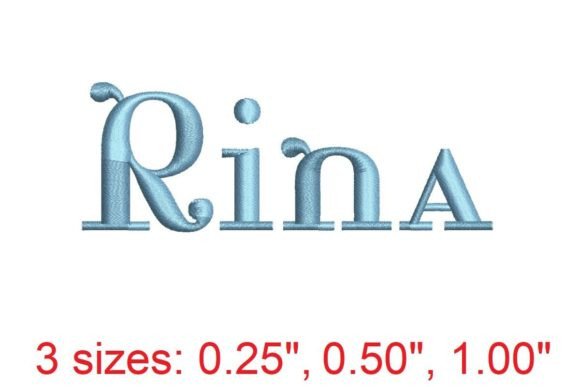
Right away, Rina reads as elegant, soft, and undeniably romantic. It’s not a chunky playful script, nor a stark modern sans. The lettering carries a flowing, decorative line weight that feels almost hand-drawn — graceful curves with a subtle bounce, giving that premium personalized gift look buyers instantly associate with boutique items. The emotional tone lands squarely in “cozy elegance.” I pictured warm kitchen gatherings, heartfelt keepsake ornaments, and matching family apparel the moment I saw the test stitch-out on cream cotton. For seasonal embroidery, that emotional pull is everything. Rina evokes nostalgia without feeling dated, and it brings festive charm without shouting “novelty.” That balance is gold when you want products that work from late autumn through winter holidays and even into Valentine’s gift windows.
Versatility Across Seasonal Products: Where Rina Works Best
My first real test was imagining Rina across a full holiday product line — the kind I’d list in a curated “Winter Warmth” collection on Etsy. Here’s how it translated on my sample list:
- Sweatshirt embroidery: On soft brushed fleece, Rina created a sophisticated focal point. Single names or short phrases like “cozy” or “merry & bright” stitched beautifully on upper chest placements. For family holiday photo shoots, matching crewnecks with Rina names are an easy upsell.
- Kitchen towel embroidery: This is where elegance meets function. A single monogram or “Hostess” in Rina on a flour-sack towel with a seasonal accent (a tiny holly sprig separate from the lettering) turned a simple towel into a premium handmade gift. Buyers will perceive higher value immediately.
- Pillow covers: I tested a short holiday phrase on linen-cotton blend cover. The lettering held up, but more on that in the detail section. For “Joy,” “Noel,” or a family name on a decorative throw pillow, it delivered the high-end home decor look that commands better pricing.
- Tote bag design: A canvas tote with a single elegant name feels like a personalized gift right out of a high-street boutique. For teacher appreciation gifts (yes, this ties into Back To School sentiment even during holidays), a “thankful” tote for a favorite teacher works beautifully. Rina’s softness suits that wholesome, thankful emotion.
- Ornaments and patches: Small format needs testing, but on a 4x4 hoop with a single initial or short word, Rina creates a lovely embroidered patch that can be framed in a hoop or turned into a hanging ornament. The elegant character adds a handmade, vintage-market stall feel.
- Aprons and table linens: For hostess gifts, a linen apron with a subtle name in Rina is the kind of item that stops scrolling fingers on Instagram. It’s chic, not crafty.
Holiday Selling Magic: How Rina Elevates Your Product Value
The real advantage of a font like Rina in a seasonal collection isn’t just about pretty stitches — it’s about perceived value. When a customer sees this embroidery on a mockup, the emotional reaction is often, “This feels special.” That translates directly into faster purchasing decisions and fewer price objections. For Etsy sellers, a product listing featuring Rina on a cozy sweater mockup, paired with a hot cocoa prop and warm lighting, immediately builds the trust that says, “This gift will be cherished.”
During the holiday rush, buyers are overwhelmed with choices. A consistent, elegant font like Rina helps your shop build visual recognition. When I use the same lettering style across multiple product categories — say, a sweatshirt, a stocking tag, and a linen napkin set — it creates a branded collection that feels intentional. That consistency encourages multiple-item purchases and strengthens customer confidence. For social media previews and printable promotional graphics, Rina’s flowing silhouette photographs well even in simple flat lays.
This font also supports that crucial “giftability” factor. Because the style is neither too masculine nor too childish, it appeals to a broad audience. You can comfortably sell a personalized throw blanket for a grandmother, a best friend, or a new baby — all with the same core design. That kind of flexibility reduces the need to stock dozens of lettering styles.
Practical Embroidery Designer Notes: Use Rina Wisely
Now, let’s talk shop. No embroidery file is perfect for every surface, and Rina has limitations that a smart seller must respect to avoid unhappy customers. I ran test stitch-outs on six fabric types and here’s my honest guidance.
Hoop Size and Small Lettering Caution
Graceful scripts often suffer when scaled too small. Rina is no exception. On a 4x4 hoop, I recommend sticking to single initials or very short words like “Noel” or “Joy.” The elegant connectors between letters need adequate space to stitch cleanly. On 5x7 and larger hoops, it opens up beautifully for full names and two-word phrases. If you’re planning to use Rina on tiny ornaments or slim wristlet straps, test first. The fine strokes in some letter terminals can get swallowed on textured fabric, losing the elegant detail.
Fabric Texture and Stabilizer Choices
On thick towels or high-pile fleece, Rina’s delicate curves can blur. I found that using a heavy water-soluble topper made a significant difference. For stretchy garments, a quality cut-away stabilizer is non-negotiable; otherwise, you’ll see distortion after the first wash. For dark fabric, be prepared to adjust thread colors — very light pastel threads may not pop as well as a slightly warmer cream or metallic alternative. Speaking of metallic thread, Rina + metallics can look stunning for holiday pieces, but slow your machine speed and test tension carefully. Metallic thread can snag on the script’s tighter turns if you’re not cautious.
Stitch Density and Detail Check
Before you commit to a large order, review the stitch density on your particular file format. Since the product description didn’t specify a native stitch count, I strongly advise running a sample on the actual fabric you’ll use for finished products. Look for any loose top threads or overly dense areas that could make stitching uncomfortable on thinner knits. After washing, inspect for any puckering. For commercial embroidery settings, consistent quality across multiple units is essential.
Color Palette and Thread Planning
Rina’s personality changes with thread choice. Soft ivory, warm gold, forest green, deep burgundy, and dusty rose all amplify that cozy seasonal feel. Neon or stark white can sometimes contradict the elegant mood. I recommend preparing a seasonal thread swatch set for your own product mockups so you can show buyers exactly what to expect. If you’re selling digital embroidery files, including a suggested seasonal color palette in your listing images can boost buyer confidence.
Gift Bundles, Limited Drops, and Market Strategies
One of my favorite strategies for the holiday season is building themed gift bundles. With Rina, you can create a “Cozy Night In” bundle: a matching pillow cover, a monogrammed mug rug (use a small design for the corner), and a personalizable blanket. Because the font stays consistent, the bundle looks high-end. For craft fair displays, stitch out several Rina samples on different textures and hang them where natural light catches the stitch texture. Shoppers will be drawn to the tactile elegance.
For Etsy sellers, consider offering a limited-time drop: “Holiday Monogram Collection” with Rina as the signature font. Listings can include ready-to-ship blank sweaters that you personalize after purchase. The gracefulness makes the wait feel worth it. In your listing descriptions, use phrases like “machine embroidery design with elegant lettering” and “holiday embroidery font” to capture seasonal search traffic without keyword stuffing.
Licensing and Commercial Use Reminder
When you’re building a product line around any embroidery file, including Rina, confirm that your commercial license allows you to sell finished physical items from that design. The product description didn’t specify license terms, so reach out to the digitizer if you plan to use it extensively for small shop sales or large craft fair inventory. Some designers require a separate extended license for commercial use, and this is especially important for seasonally driven sellers who may restock the same designs annually.
Final Review: Would I Add Rina to My Seasonal Collection?
Absolutely — with strategic curation. Rina Embroidery Font delivers the elegant, timeless lettering that elevates personalized gifts and home decor beyond basic craft store expectations. It shines on apparel, kitchen textiles, and decorative accents that define the holiday gifting season. For sellers who specialize in monograms, wedding-related items, or boutique family apparel, it’s a straightforward investment that supports brand consistency. Just keep the detail notes in mind: test small sizes, mind your stabilizers on tricky fabrics, and build your mockups to reflect that soft, emotive quality. When you treat Rina as the star of a well-planned seasonal collection, it has the power to become your go-to script for years of holiday drops.