Pencil ITH Feltie Applique: An Honest Embroidery Review
When I first opened the Pencil ITH Feltie Applique file on my screen, I felt that familiar flicker of back‑to‑school nostalgia — crisp pencil points, clean eraser lines, and the cheerful promise of a fresh start. As an embroidery designer who sells finished goods at craft fairs and takes custom orders through Etsy, I evaluate every machine embroidery design by how it will live on a real product, not just how it renders in software. This pencil feltie immediately sparked ideas for Back To School teacher gifts, end‑of‑year celebration bookmarks, and 100 Days of School hair clips — exactly the projects the product description hints at.
The design is clearly built for in‑the‑hoop construction, which means you can stitch it onto felt and create a self‑contained patch or clip‑back embellishment. But a good applique design always pushes beyond its original brief, so I mentally tested it on tote bags, journal covers, and even a tiny pencil pouch. My goal here is to walk you through what I saw, what I questioned, and how I’d use this digital embroidery file for real, paying customers.
First Impression: Clean Lines, Cheerful Simplicity
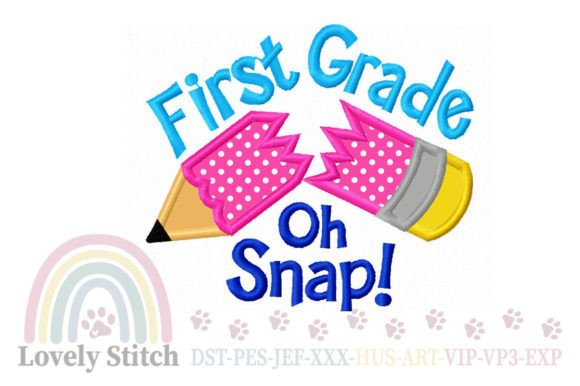
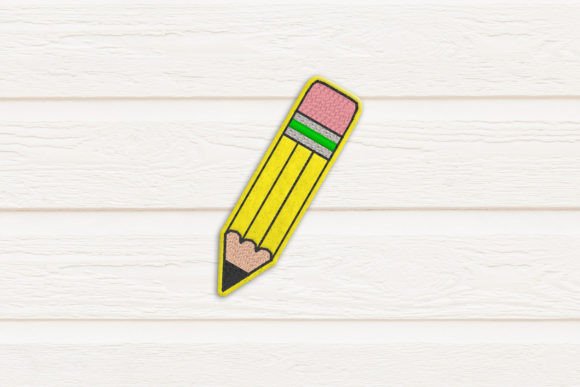
Visually, the Pencil ITH Feltie Applique reads as instantly recognizable without overcomplicating the stitch work. The pencil body uses a combination of satin stitch borders around the main color blocks and likely some fill stitch for the wood tone and the eraser band. The yellow paint layer sits confidently in the middle — bright enough to pop on a dark background but not so saturated that it becomes fussy under thread changes. The overall mood is playful yet tidy, which makes it versatile for nursery decor, a child’s first backpack tag, or even a quirky embroidered patch on a jean jacket.
I appreciated that the design doesn’t rely on tiny lettering or over‑detailed shading. Instead, it trusts the silhouette. That’s a big plus when stitching out on textured fabrics or at smaller sizes, because stitch density and legibility often clash when a designer tries to cram too much into a small hoop. The pencil feltie seems to understand its role as a crisp, graphic motif, and that restraint will make your handmade product look more professional, not less.
Where This Design Naturally Belongs
Right away, I built a mental list of projects where the Pencil ITH Feltie Applique would shine. Because it’s a feltie, you can finish the back neatly and turn it into a standalone piece. I’d immediately think of:
- Hair clips and barrettes for teacher appreciation days or first‑day photos.
- Bookmarks that slip over the corner of a page — perfect for classroom gift bags.
- Embroidered patches that can be sewn onto backpacks, pencil cases, or aprons.
- Iron‑on or sew‑on motifs for a child’s tote bag that holds library books.
- Scrapbook‑style T‑shirt accents — imagine a single small pencil feltie on the chest pocket of a simple tee.
Beyond the in‑the‑hoop feltie path, I’d also consider stitching this as a direct applique design onto flat goods. A linen kitchen towel with a small pencil motif in one corner would make a charming back‑to‑school hostess gift. A cotton apron for a teacher could carry the pencil right on the front bib. And because the design is compact, you can easily nestle it onto a baby onesie for a clever “future student” photoshoot prop.
Custom Apparel and Tote Bags
I always run a mental stress test for sweatshirt embroidery and tote bags, because they’re the bread‑and‑butter of many small embroidery businesses. A thick, looped‑back sweatshirt can swallow fine details. With the Pencil ITH Feltie Applique, the shapes are broad enough that I’m confident the main pencil body would hold its own on fleece, provided you use a proper cutaway stabilizer and perhaps a layer of water‑soluble topping to prevent stitches from sinking. The satin stitch borders should remain crisp, especially if you slow your machine slightly on the curves of the pencil tip.
On a sturdy canvas tote bag, this design would really pop. The bright yellow paint layer against natural cotton would draw the eye at craft fairs, and because the pencil is such a universal symbol, the tote bag design would appeal to teachers, students, and stationery lovers alike. That kind of broad appeal can lead to quicker sales and fewer listing variations, which small business owners will appreciate.
Caps, Patches, and Curved Surfaces
Embroidering on a curved cap brim is always a challenge. The Pencil ITH Feltie Applique, if sized appropriately, could work well on the side of a cap or the center front of a youth ball cap. The horizontal orientation of the pencil fits naturally on a brim, but you’ll need to test on scrap fabric first and ensure your hoop can securely hold the cap without distortion. I’d avoid placing this on an adult cap’s center seam unless you’re comfortable with precise placement and possibly splitting the design into two hooping runs.
When stitched as a patch, the feltie construction already gives you a clean edge. You can finish the back with a layer of felt or attach a pin back, clip, or magnet. The resulting embroidered patch would have a sturdy, boutique feel that justifies a higher price point at an Etsy listing or craft fair.
Baby Items and Nursery Decor
For baby blankets or nursery pillow covers, the pencil’s playful shape is a sweet alternative to typical animal motifs. The lack of sharp, tiny lettering means there’s minimal risk of thread breaks on the delicate look of a personalized baby gift. If you’re stitching onto a knit baby blanket, use a stable backing and a soft, smooth thread that’s gentle against the skin. Pay attention to the stitch density in the fill areas — the design should have been digitized with baby items in mind, but I always check the stitch count and run a test on a similar fabric before stitching onto a final blanket.
Products That Need Frequent Washing
Kitchen towels, kids’ sweatshirts, and even zippered pencil pouches all face regular laundering. A well‑digitized applique design with satin stitch borders will survive dozens of washes if you take two precautions: first, secure all thread ends on the back with a small knot or fray check; second, use a dense but not bulletproof stitch count that doesn’t perforate the fabric too much. I’d also recommend pre‑shrinking the base fabric and appliqué felt to prevent puckering after the first wash cycle. Because this is a Creative Fabrica embroidery product, you’ll want to confirm the recommended hoop size and file compatibility before committing to large production runs, especially for items that must endure heavy use.
Visual Appeal and Brand Consistency
One underrated aspect of a handmade product is how well it photographs. The Pencil ITH Feltie Applique, with its clean color blocks and simple silhouette, will look beautiful in flat lays, styled with vintage rulers, messy chalk, or a stack of books. Product photography that emphasizes the crisp stitch work can build buyer trust, because customers will see the quality even before they read your description. I often create a mockup using a snap of the stitched sample on a neutral linen background, and designs like this one require very little editing to look vibrant.
From a branding angle, if your embroidery business leans into a cheerful, storybook aesthetic, this pencil motif fits right in. You can use the same design across bookmarks, pencil pouches, and framed nursery art to create a cohesive collection. Consistency in visual mood — playful, clean, slightly nostalgic — helps customers recognize your shop in a crowded Etsy feed.
Practical Embroidery Notes Before You Stitch
Before I ever run a paying customer’s order, I run a thorough test on scrap fabric that closely mimics the final product. Here’s the checklist I mentally worked through for the Pencil ITH Feltie Applique:
- Test the thread color contrast. I’d try a mid‑grey pencil body on a natural linen, and a classic yellow on a dark navy fabric, to see how the edge details read. If the yellow thread disappears too much against the background, consider adding a thin underlay stitch or switching to a slightly warmer shade.
- Review stitch density. Open the embroidery file in your software and examine the fill areas. A dense fill on felt can make the final piece stiff, which is fine for hair clips but may not drape well on a tote. If I were worried, I’d test on two different stabilizer weights before adjusting anything.
- Confirm hoop size. Feltie designs are often digitized for a small hoop — 4x4 or 5x7 inches — but always verify on the product page. Customers love using these on compact machines like a single‑needle Brother or Janome.
- Compare light and dark fabric mockups. I’d stitch one sample on white felt and one on charcoal grey. The eraser section, in particular, can look muddy on dark backgrounds if the digitizer didn’t include a light‑thread underlay. If it prints perfectly, great; if not, a simple fabric marker touch‑up or a white fabric underlay piece can clean up the edges.
- Use proper stabilizer. For ITH felties, a medium‑weight cutaway or even a tear‑away with a sticky backing works well. I never use water‑soluble alone for structural pieces — the feltie needs to remain crisp after removal from the hoop.
- Inspect small details after stitching. The pencil point, eraser band, and any tiny highlight lines deserve a close look. Make sure no bobbin thread peeks through and that the satin stitches lay flat without gaps.
- Check the Creative Fabrica product page for licensing and file details. I can’t stress this enough. Before selling finished items, know exactly which file types are included (PES, JEF, DST, etc.) and what the commercial license allows. The product description for the Pencil ITH Feltie Applique likely covers this, but I always double‑check for updates regarding mass production or selling on third‑party platforms.
When Tiny Lettering or Dense Areas Become a Problem
This design appears to avoid miniature text, which is a relief. However, if the file includes a subtle “No. 2” marking or a very small brand line on the pencil itself, be cautious when stitching on napped fabrics or ribs. A running stitch used for tiny details can disappear into fleece, and on stretchy surfaces it can snap under tension. I’d open the file in design assets view to check for any delicate fill stitch areas smaller than about 2 mm. If there are any, I’d test on a jersey knit with a ball‑point needle and a fusible mesh stabilizer to prevent wobble.
How This Design Elevates Your Finished Product
Why does a simple pencil applique matter to your bottom line? Because buyers connect with clear, relatable imagery. A teacher who receives a personalized tote with this pencil feltie will immediately feel the thoughtfulness — the design echoes what they do every day. That emotional hit translates into repeat orders, word‑of‑mouth referrals, and glowing Etsy reviews. The perceived value of your custom apparel or handmade gift goes up, even if the stitch time is modest.
For craft fair booths, having a basket of pre‑made pencil feltie bookmarks priced under $10 can create a quick impulse buy. For boutique merchandise, combining this design with a monogram or a name in a complementary font can turn a simple pouch into a back‑to‑school keepsake. And because this is a commercial embroidery friendly file (confirm licensing), you can scale that idea across multiple colorways without redesigning.
Printable Mockups and Etsy Listings
After stitching the sample, take a clear, well‑lit photo against a simple background. This photo becomes your listing image or a printable mockup for customers who want to visualize the final product. The pencil’s bright yellow and wood‑toned palette photographs beautifully under natural sunlight and looks equally appealing in a flat lay with plaid ribbons or kraft paper. I’ve found that designs with high contrast between the thread and background generate more click‑throughs on Etsy, and this pencil is built for that.
Final Thoughts on the Pencil ITH Feltie Applique
After examining the design from every angle I can without actually loading it onto my machine yet, I’d say the Pencil ITH Feltie Applique earns its place in a small embroidery business’s library. Its strength lies in its clean, instantly recognizable shape and its flexibility across dozens of products — from hair clips and embroidered patch sets to tote bag accents and teacher gifts. The design feels well‑suited to the Back To School season but truly works all year long, because a pencil never goes out of style.
I would absolutely test this file on scrap first, tweak thread colors for the best contrast, and then roll it out across a focused product line — perhaps a set of three matching stationery‑themed pieces. The modest stitch count (once confirmed) and small hoop size suggest you could batch out several felties in an afternoon, building inventory quickly. For anyone selling handmade products at spring markets or on Etsy, this is the kind of digital embroidery file that turns a simple felt scrap into a gift someone reaches for first. My advice? Load it up, test on both a soft cotton and a stiff felt, and watch how that little yellow pencil becomes a reliable, cheerful staple in your stitched lineup.